1. Safety check and containment
The crew checks for electrical and slip hazards, puts on protective equipment and seals off the affected area so sewage does not spread.
Speer, Denver, CO · Denver County
Is there raw sewage on the floor in Speer? Keep everyone out and call (877) 812-4220. Crews in protective gear pump out and remove the sewage, tear out contaminated drywall and carpet, and disinfect what remains.
If anyone is in danger, call 911 first. For a suicide crisis, call or text 988.
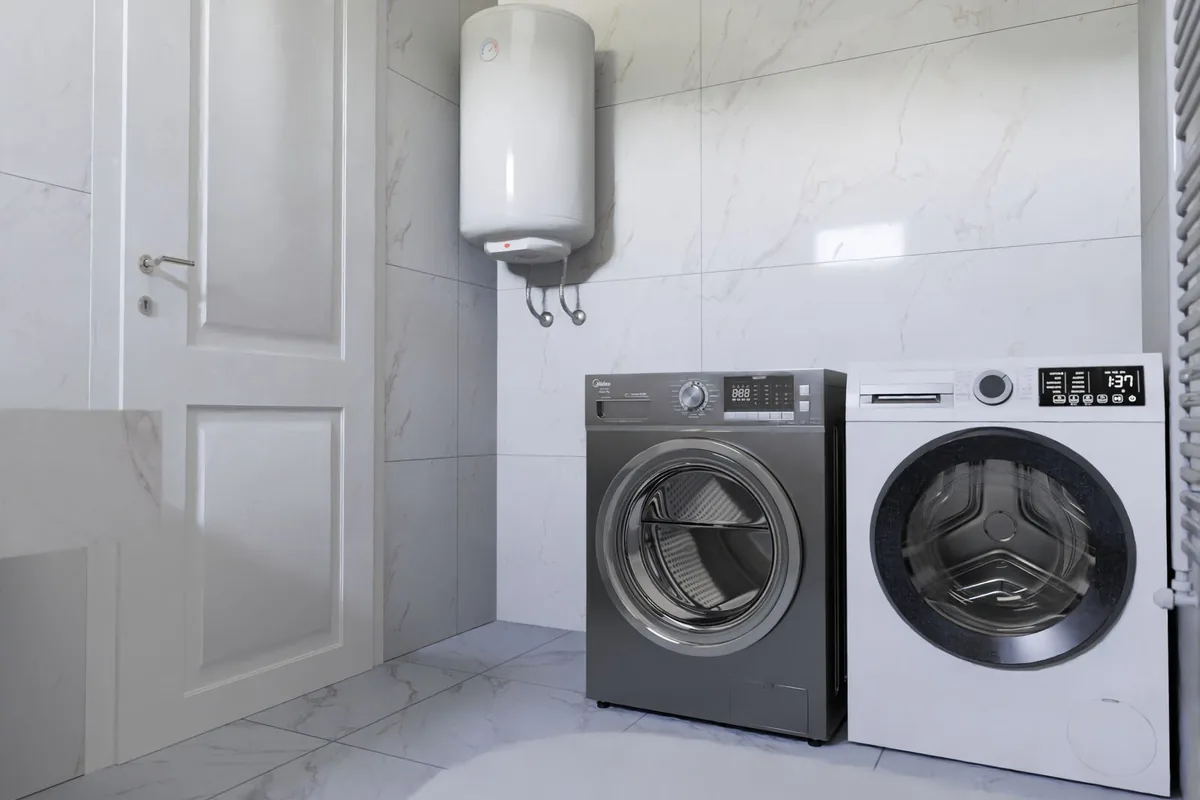
Commercial sewage cleanup is the same biohazard work done in shops, restaurants, offices and apartment buildings, where many people share the space and the area must be cleared and sanitized before use resumes.
Call Speer Biohazard Cleanup Help any hour about a sewer backup in Speer, Denver, CO. You get an assessment of how far the sewage spread, removal and decontamination, and a chance to talk through insurance and landlord questions in Denver County.
About 56% of homes in Denver were built before 1980, and older clay or cast iron sewer pipes crack and clog with roots over time. Denver County has a Relatively High river flood risk rating from FEMA. Heavy rain anywhere can strain sewer pipes, so backups remain worth planning for.
Sewage & Biohazard Cleanup in Speer usually includes:
The crew checks for electrical and slip hazards, puts on protective equipment and seals off the affected area so sewage does not spread.
The team takes out all standing wastewater and wipes down wet surfaces before touching anything else.
Contaminated materials are bagged and removed, and surfaces are scrubbed and treated with hospital-grade disinfectant.
Every exposed surface is cleaned and disinfected, then the team confirms the area is ready for repairs or normal use.
Sewage & biohazard cleanup in Speer, Denver, CO typically costs $1,500 to $10,000, depending on the size of the affected area and the materials involved.
Insurance coverage can change who pays but not the scope. Sewer backup is often covered only by an added endorsement, so owners should check their policy before work starts.
| Type of job | Typical range |
|---|---|
| Published span | $1,500 - $8,000 |
| Typical project | $2,000 - $10,000 |
| Most homeowners | $2,000 - $10,000 |
| Category 3 sewage | $2,500 - $10,000 |
Estimates only, not a quote. Sources: Bob Vila, Fixr, BioCleaners Directory, Biohazard cleanup company pricing guide. Price drivers include square footage affected, category of water, porous materials that must be removed, drying time. Call (877) 812-4220 to talk through the job.
A septic overflow is cleaned as raw sewage, both inside any affected building and on nearby ground. Contaminated soil, materials and surfaces are handled and disinfected. A septic service may also need to empty or repair the tank.
If the cleanup missed contaminated materials, germs and odor can linger. That is why crews remove porous materials, disinfect every surface they touched and inspect the work. Thorough removal is what lowers the risk.
A very small spill on a hard floor can be handled with gloves, boots, eye protection and a disinfectant used by label directions. Anything that reached carpet, drywall or a large area needs professional cleanup, because hidden contamination is hard to see.
Category 3 water is the most contaminated level, and sewage is the standard example. It can carry disease-causing germs and should never be cleaned with household supplies alone. Flood water that touched sewage is treated the same way.
No. Water from a clean source can often be dried in place, but sewage is a biohazard that requires removal of contaminated materials and disinfection. Drying alone does not make a sewage-affected space safe.
Watch for a rotten-egg or sewer smell, wet spots or stains on floors and walls, unusually green grass over a pipe, and multiple drains backing up at the same time. If any of these show up, keep people away from the area and have the cause checked.
Call (877) 812-4220 any hour and describe what is on the floor.
Call (877) 812-4220